

Clinician perspectives
Therapy Unscripted.
Six short conversations with the practice's clinicians about the questions people bring before they ever book. Hover any card to watch it, or read the written answer below.
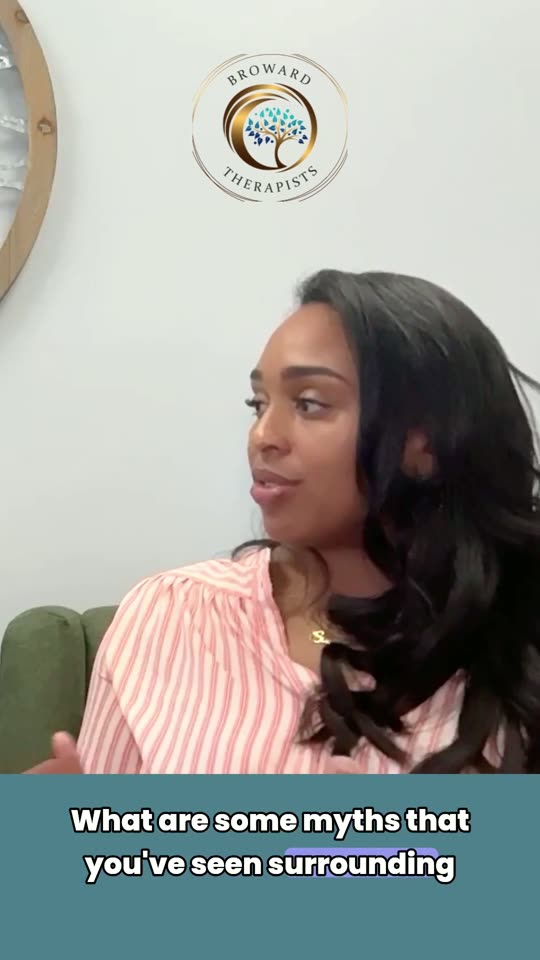
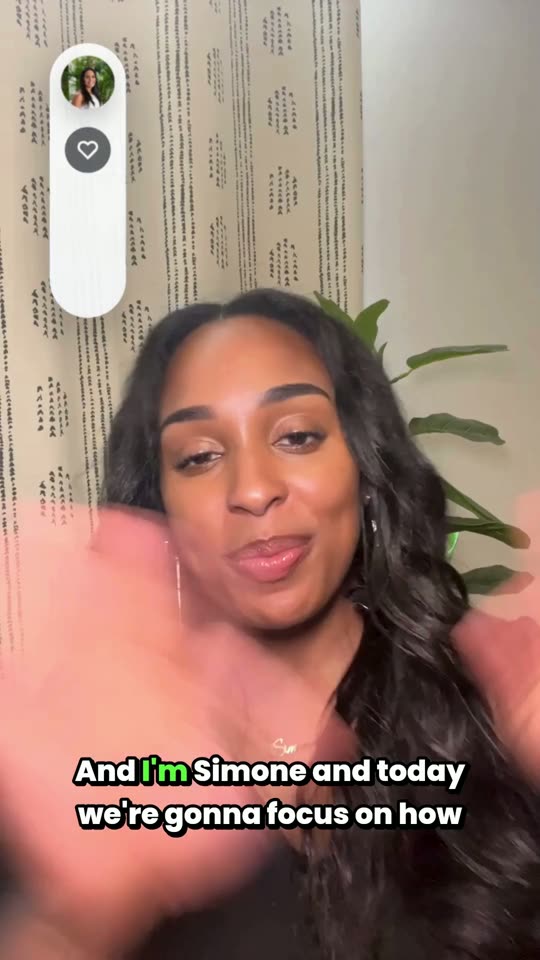
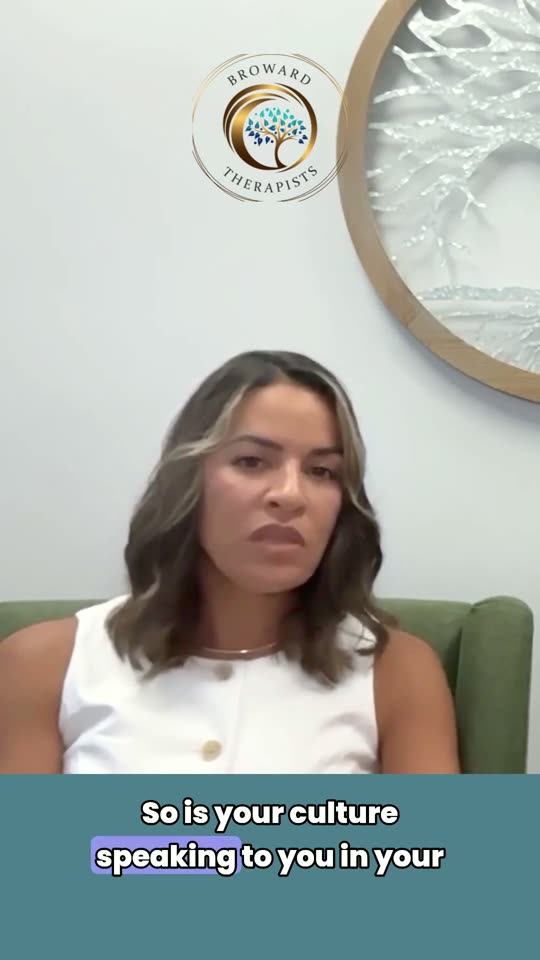
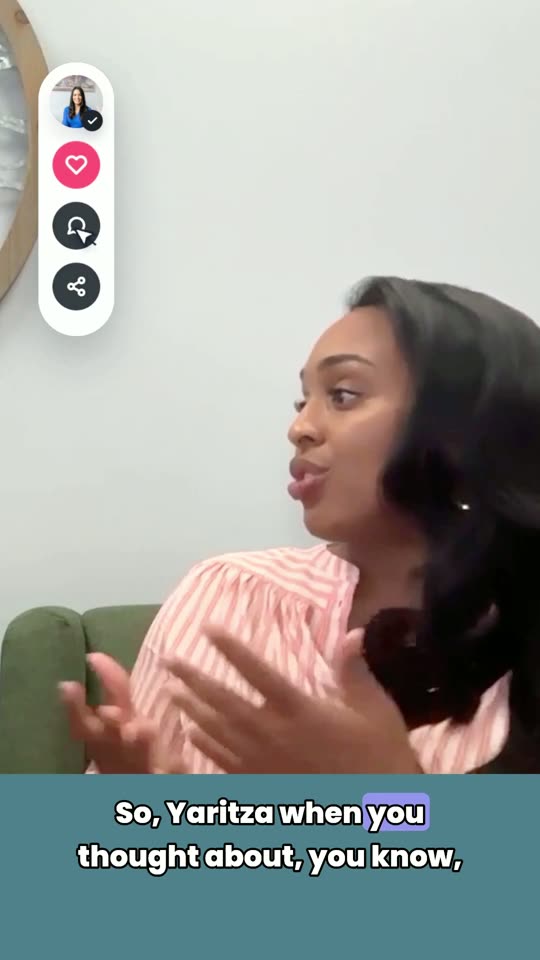
How we think about trauma
Trauma-informed care considers how an experience is affecting safety, emotions, relationships and daily life. The approach should be individualized; a label or technique alone does not define the whole treatment plan.
The episode opens a conversation about trauma without reducing people to a diagnosis or an event. Broward Therapists lists trauma, PTSD and EMDR among its areas of care, with format and approach determined through clinical discussion.
Stigma, social media and therapy
More public conversation can make therapy easier to discuss, but social media cannot assess a person or replace individualized care. Useful mental health information should help people ask better questions without turning every experience into a diagnosis.
This episode considers how online language shapes the way people think about mental health and therapy. Clinician-led context matters because short-form content is an introduction, not treatment or a personal recommendation.
“Therapy isn’t for me”
Hesitation about therapy can protect privacy, independence or a fear of being misunderstood. Exploring that hesitation does not obligate someone to begin; it can simply clarify what would make support feel safer or more useful.
This episode treats reluctance with respect rather than pressure. A first conversation can focus on questions about fit, format, goals, location, insurance and what someone does or does not want from care.
Starting therapy for the first time
The beginning of therapy is usually a process of learning about your concerns, goals and context while you learn how the clinician works. You can ask questions, name uncertainty and discuss what would help the process feel understandable.
This episode makes the first step less mysterious. Practical questions about location, telehealth, availability and insurance can be addressed with the practice, while the clinical relationship develops through conversation over time.
A video is not a treatment plan.
These conversations are general information. Anything about your own care depends on an assessment with a clinician. If you are in immediate danger or crisis, call or text 988, or call 911.